
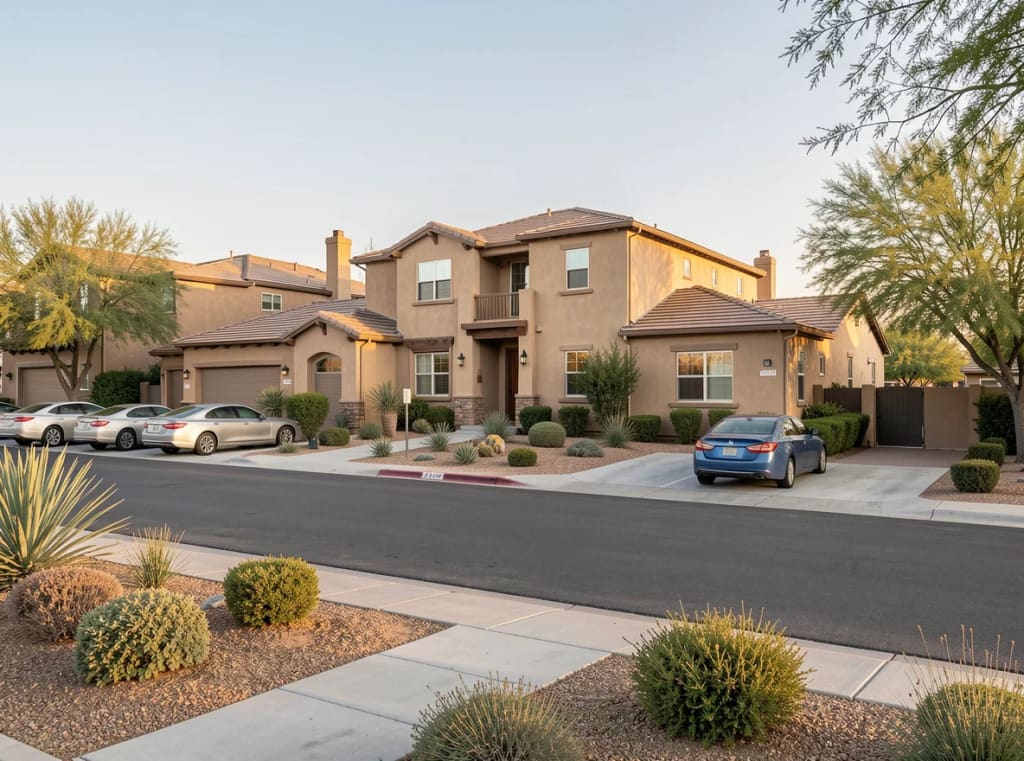

Buying near Arizona State University in Tempe can be a smart fit for many buyers, but the right home often comes down to daily comfort more than a map pin. Before you buy, it helps to look past assumptions and evaluate how a specific block handles commute flow, noise patterns, parking reality, and long-term livability.
Start With the Block, Not the Listing Photos
Two homes that look similar online can feel very different once you stand on the street. Near ASU, small changes in location can affect how a property lives day to day. A home tucked inside a quieter pocket may feel more settled than one backing to a busy road, alley, or high-turnover rental cluster. That does not make one automatically better than the other, but it does mean buyers should judge the block itself instead of relying on broad assumptions about being “close to campus.”
Walk the immediate area and pay attention to what surrounds the property. Notice nearby apartment buildings, restaurants, event venues, parking lots, busier intersections, and cut-through streets. Look at how neighboring homes are used and how the lot sits in relation to traffic, lighting, and activity. Cynthia Cheroke often helps buyers compare these details because they can shape comfort long after the excitement of getting under contract fades.
Test the Commute the Way You Would Actually Live It
One of the most common mistakes buyers make is estimating commute convenience without testing it in real conditions. If you plan to drive, bike, walk, or use light rail, try the route at the times you would realistically travel. A route that feels easy in the middle of the day may feel very different during morning traffic, class change periods, or evening activity.
Pay attention to more than distance. Notice turning patterns onto major roads, how easy it is to enter and exit the neighborhood, and whether traffic backs up near intersections you would use often. If light rail access matters, look at the actual walk to the station, the street crossings involved, and how that route feels in everyday use. Buyers should also think about errands, not just campus access. The easiest route to ASU may not be the easiest route for groceries, work, or weekend plans.
Evaluate Noise Without Overreacting
Noise is one of the biggest quality-of-life factors near a university, but it should be evaluated with context rather than fear. Some buyers are comfortable with a more active setting, while others want a calmer environment. The goal is not to avoid every sound. It is to understand what kind of activity is normal for that location and whether it matches your preferences.
Visit at different times if possible. A street that feels quiet on a weekday afternoon may sound different in the evening or on a weekend. Listen for traffic from major roads, train or light rail activity, nightlife spillover, event-related congestion, and general student movement. Also pay attention to the lot itself. A home with outdoor living space facing a busy street or neighboring parking area may feel different from one with a more buffered orientation. Resale value and personal enjoyment can both be influenced by how the property handles these everyday conditions.
Look Closely at Parking, Access, and Overflow
Parking deserves more attention than many buyers give it at first. Near ASU, the question is not simply whether a home has a driveway or garage. You also want to understand how guest parking works, what street parking really looks like, whether nearby properties create overflow, and how easy it is to access the home during busier times.
Take note of curb availability, alley access, and how neighboring homes appear to use their parking. A property may technically have parking, but daily convenience can still vary depending on layout and surrounding demand. If you expect visitors, roommates, or frequent service access, those details matter. This is also where lot placement becomes important. Corner lots, homes near entrances to larger communities, and properties adjacent to commercial or multifamily uses can all function differently.
Compare Resale Homes and New Construction Carefully
Buyers considering areas near ASU are often weighing established resale homes against nearby new construction. Each can offer advantages, but the comparison should go beyond finishes and price. With resale, you can often better judge the surrounding block, mature landscaping, and how the neighborhood already functions. With new construction, buyers should look closely at builder quality, lot choice, orientation, and what the area may feel like once the community is fully active.
Cynthia Cheroke’s background in new home building, land acquisition, title and escrow, and strategic marketing gives buyers a practical lens when comparing these options in Tempe. If you are sorting through campus-adjacent neighborhoods and want help weighing commute, noise, parking, and lot tradeoffs, Cynthia can help you compare the details and choose with more confidence.